A Call That Cannot Be Ignored
Some places don’t just call you back, they draw you in as a witness to their ancient soul. For me, Jisr El Kadi and its surrounding area is one of them. Last weekend, I stood once more before its timeless arches, and as always, it felt like a renewed encounter.
No matter how often I return to familiar places across my homeland, the pull never fades. It’s not nostalgia — it’s a deeper connection. It’s the restless need to reconnect with places etched into my soul — to find comfort in knowing they remain as timeless, vibrant, and alive as I remember.

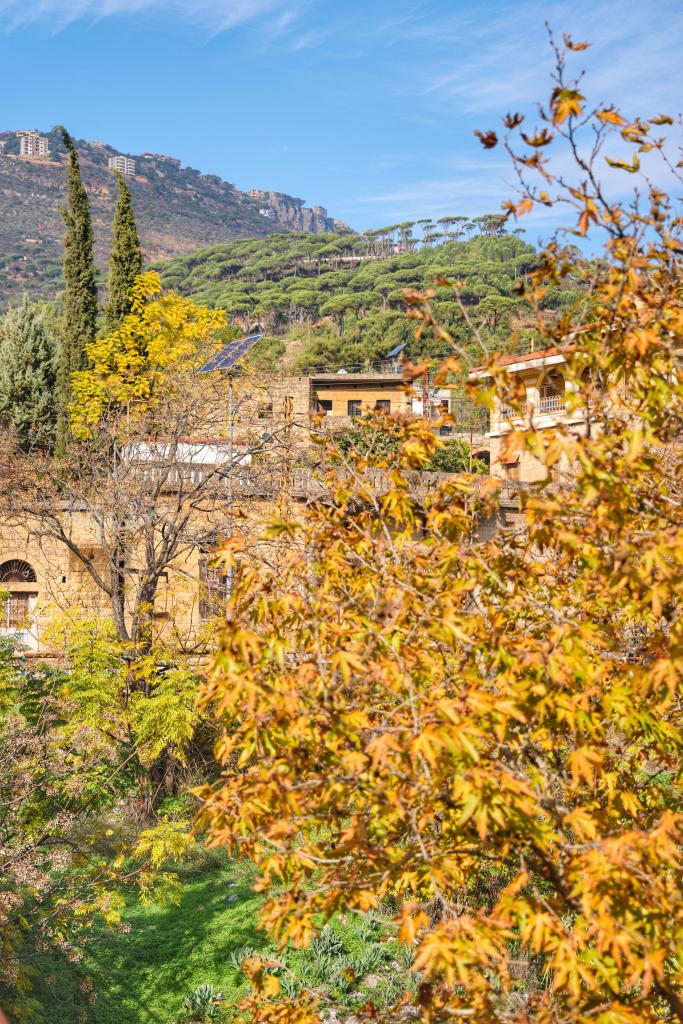
A Bridge Between Eras: The Story of Jisr El Kadi
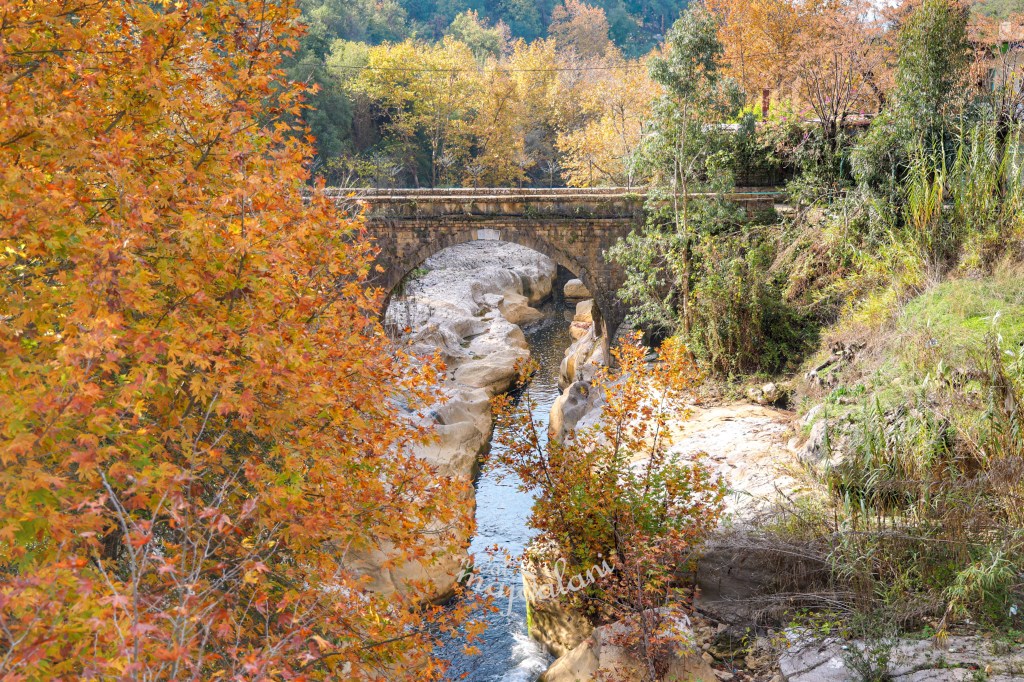
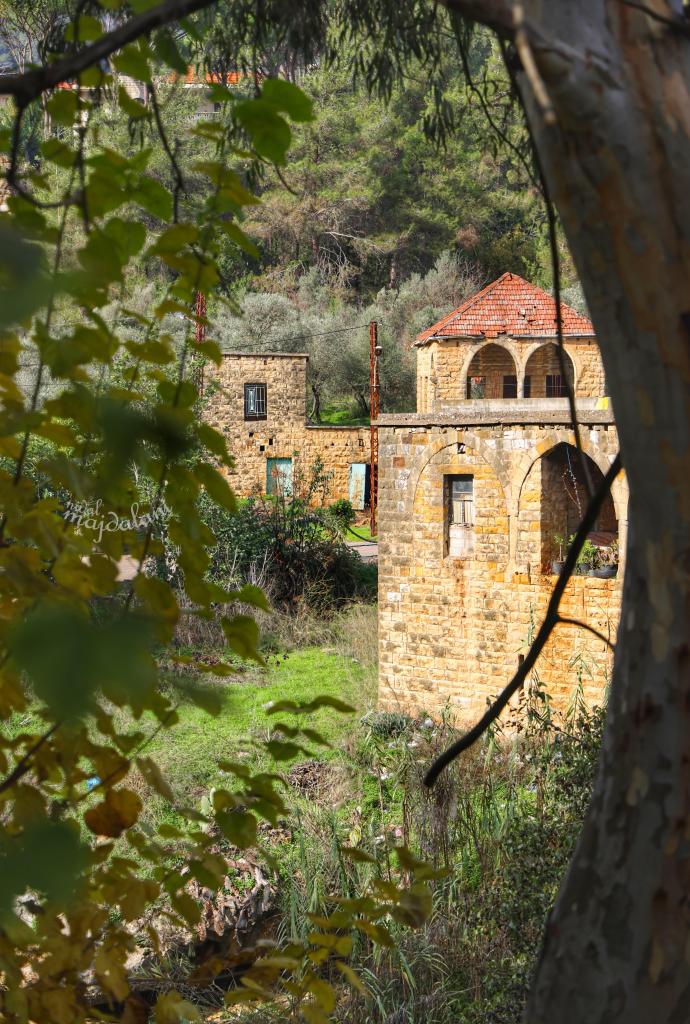
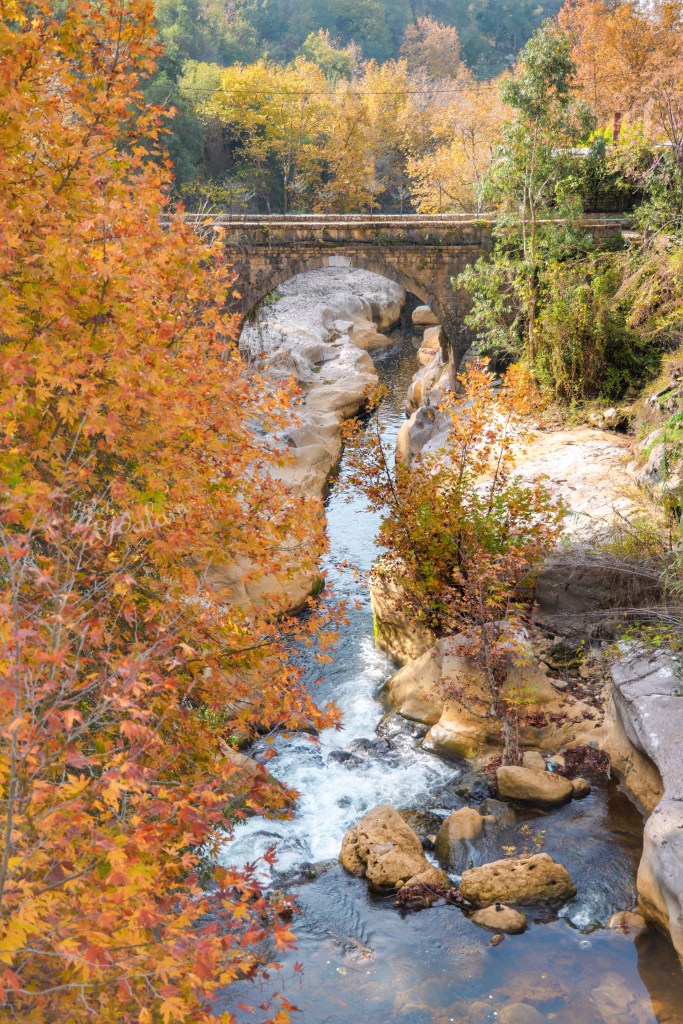
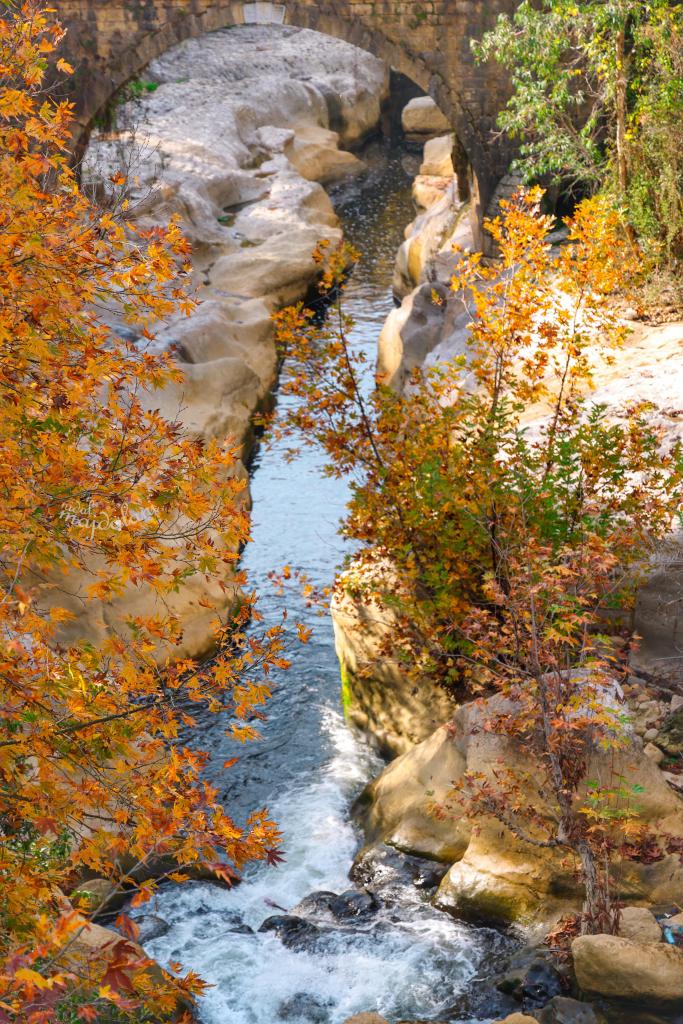
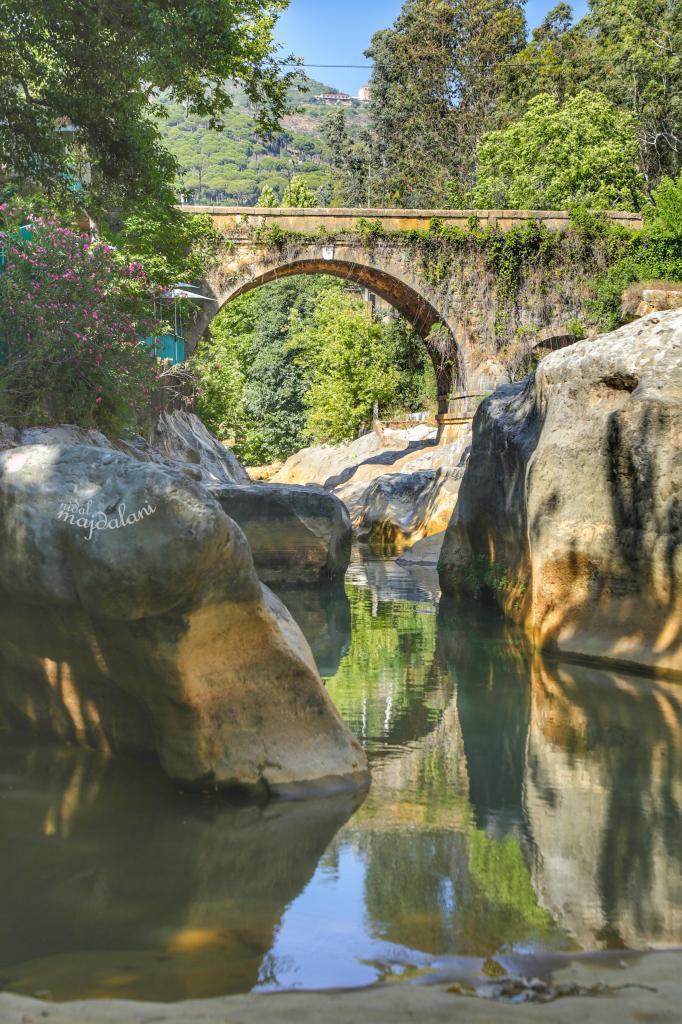
Known as ‘The Judge’s Bridge,’ Jisr El Qadi serves as more than just a pathway over the Damour River, connecting Shouf and Aley regions. It stands as a historical monument symbolizing honor, legacy, and cultural unity. Built during the Mamluk era, the bridge was commissioned by Emir Zayn ad-Dine at-Tannoukhi, a renowned leader and judge (qadi) in the region. Its strategic location facilitated connections between important areas, including Beiteddine and Souk el Gharb, fostering trade, travel, and social ties. Beneath it, the Damour River flows from the slopes of Jabal el-Barouk, winding through lush valleys rich with foliage and life.
Later, during the Ottoman period, its significance grew. In 1885, Governor Wassa Pasha expanded the structure, building a second, larger bridge to accommodate the growing flow of travelers, carriages, and goods. This expansion ensured the bridge’s role as a lifeline for trade and travel.
While history mostly credits Emir Zayn ad-Dine as its builder, local narratives tell a more personal tale. According to oral tradition, one of the Tannoukhi judges, known as Judge Imad al-Din Hasan, played a pivotal role in the bridge’s construction. It is said that, after witnessing women lift their garments to wade through the river, he was moved by a sense of honor and compassion. Determined to preserve their dignity, he took it upon himself to construct the bridge, ensuring safe and respectable passage for all who crossed the Damour River at this point.
Whether rooted in historical fact or oral tradition, the legacy of Jisr El Kadi endures as a testament to honor, compassion, and human connection. The bridge is more than stone and mortar — it is a reflection of the moral values that shaped its creation.
My Recent Visit: A Living Painting
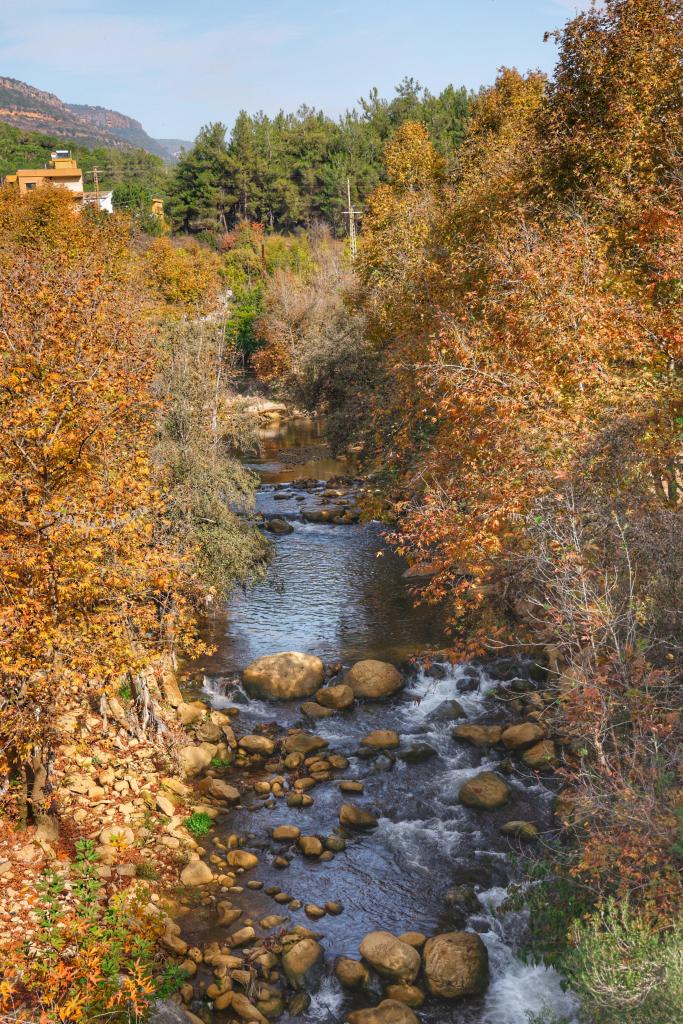
During last weekend, I walked once more across the ancient stones of Jisr El Kadi. It felt familiar, yet entirely new — as it always does. The autumn air was crisp, carrying the scent of wet leaves and damp earth. Around me, the foliage had begun its seasonal shift, with hints of amber, russet, and gold glowing in the soft autumn light that streamed through the trees.
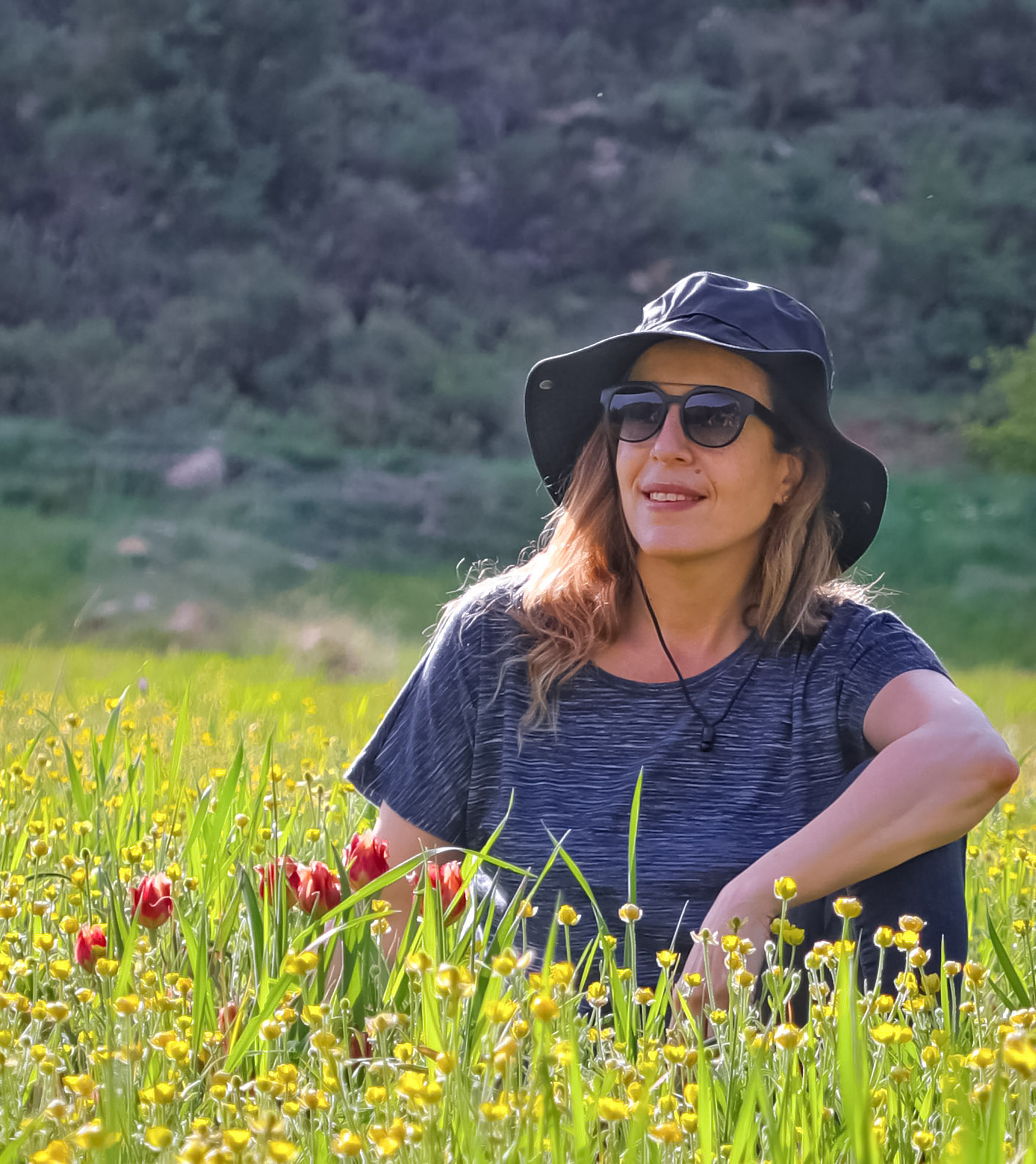
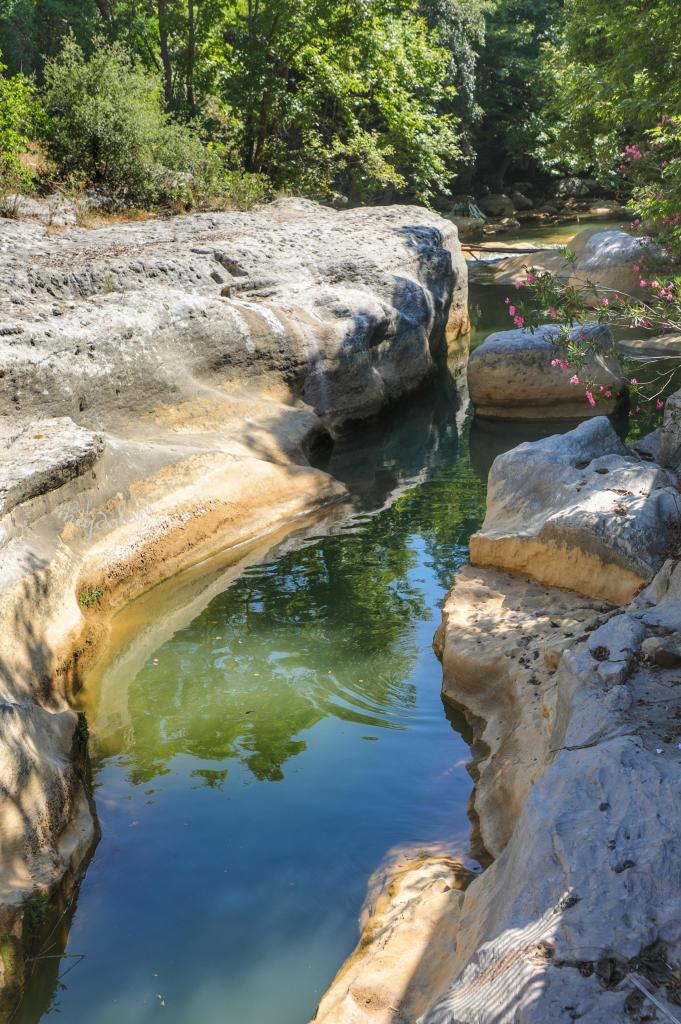
The Damour River flowed steadily below, its calm surface reflecting the sky like a mirror, only broken by ripples that served as a gentle reminder that everything is in motion. I’ve seen this bridge before in the fresh green glow of spring (spring photos included), and in the dry heat of summer, when the stones turned pale white under the sun. But autumn has its own charm. It feels deeper, more soulful, as if nature takes its time to paint every leaf with care.
No place is ever the same twice. The bridge remains constant, but everything around it — including me — is transformed. That is why I return. Not to revisit what I know, but to experience it anew.
How to Get There
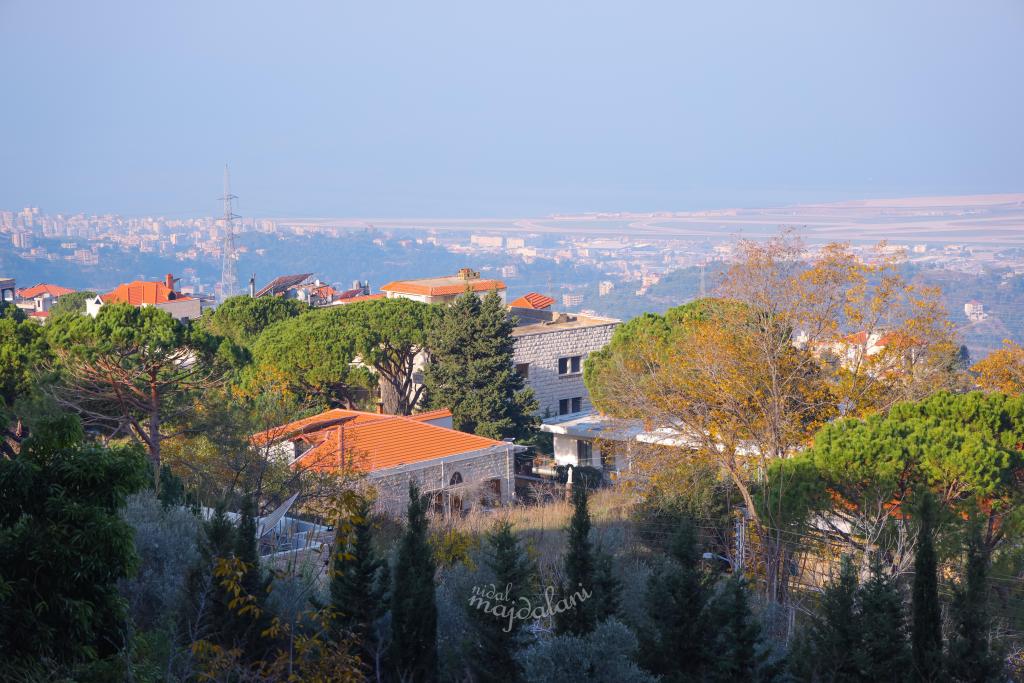
The route to Jisr El Qadi is a journey in itself, best enjoyed for its scenic beauty through the path from Beirut via the Hazmieh main road, passing through Bsous and Souk el Gharb. This route, spanning approximately 34 km, takes about 1 hour to complete, offering breathtaking views of Lebanon’s natural landscapes, along with a stunning view of the airport.
Once you’ve reached Jisr El Qadi, your journey doesn’t have to end. From here, you can continue to Deir el Qamar, a heritage town just 13 km away (a 20-minute drive). Its quaint streets, historical sites, and charming atmosphere make it the perfect spot to spend a day.
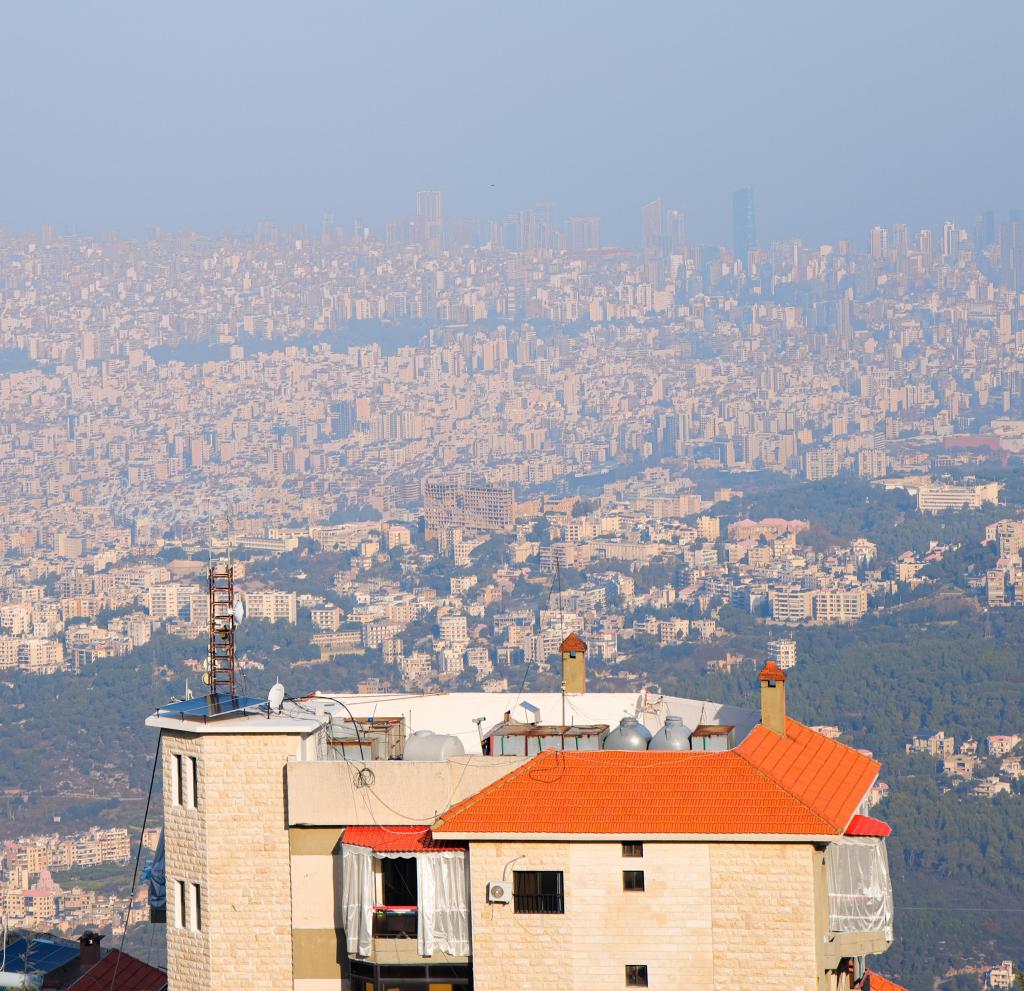

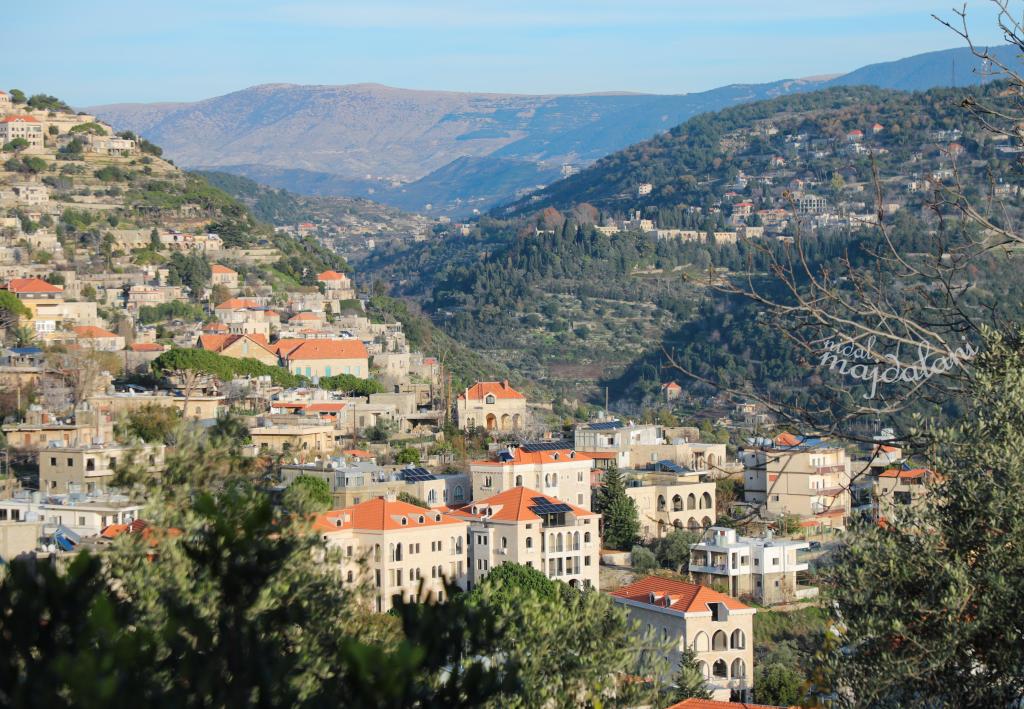
For a deeper experience, you can extend your trip to nearby landmarks such as Beiteddine Palace and Moussa Castle, both just a short drive from Deir el Qamar. Together, these locations offer a rich exploration of Lebanon’s architectural beauty, history, and local culture.
When to Visit
Each season offers its own charm at Jisr El Kadi, but autumn stands apart. The golden hues, crisp air, and serene atmosphere create a setting that feels like a living painting. Spring and summer are equally inviting, especially for those who enjoy vibrant greenery and the calming sound of flowing water. This is also the perfect time to visit local workshops and enjoy a coffee at cafés and restaurants along the riverbank, where nature invites you to linger.
Follow My Journey
Follow my travels as I continue to uncover Lebanon’s hidden gems and timeless wonders. Through my live stories and publications, I aim to share the essence of these places with you, not just their beauty, but the spirit that runs through them. If you’re planning a visit, feel free to reach out. I can help you craft an unforgettable experience, pairing must-see spots with meaningful encounters.
Let’s uncover the timeless charm of Lebanon together by ‘travelling Lebanon’ with Nidal Majdalani.
Copyright Notice and Sharing Policy
All content, including photographs and articles, is protected under copyright and is not permitted for business or commercial use. Photographs may be reposted on social media platforms only with proper credit and by tagging Nidal Majdalani’s social media accounts. Articles may be shared in their original form but cannot be copied, reproduced, or republished without prior written permission.
 Nidal Majdalani - Travelling Lebanon
Leave a comment